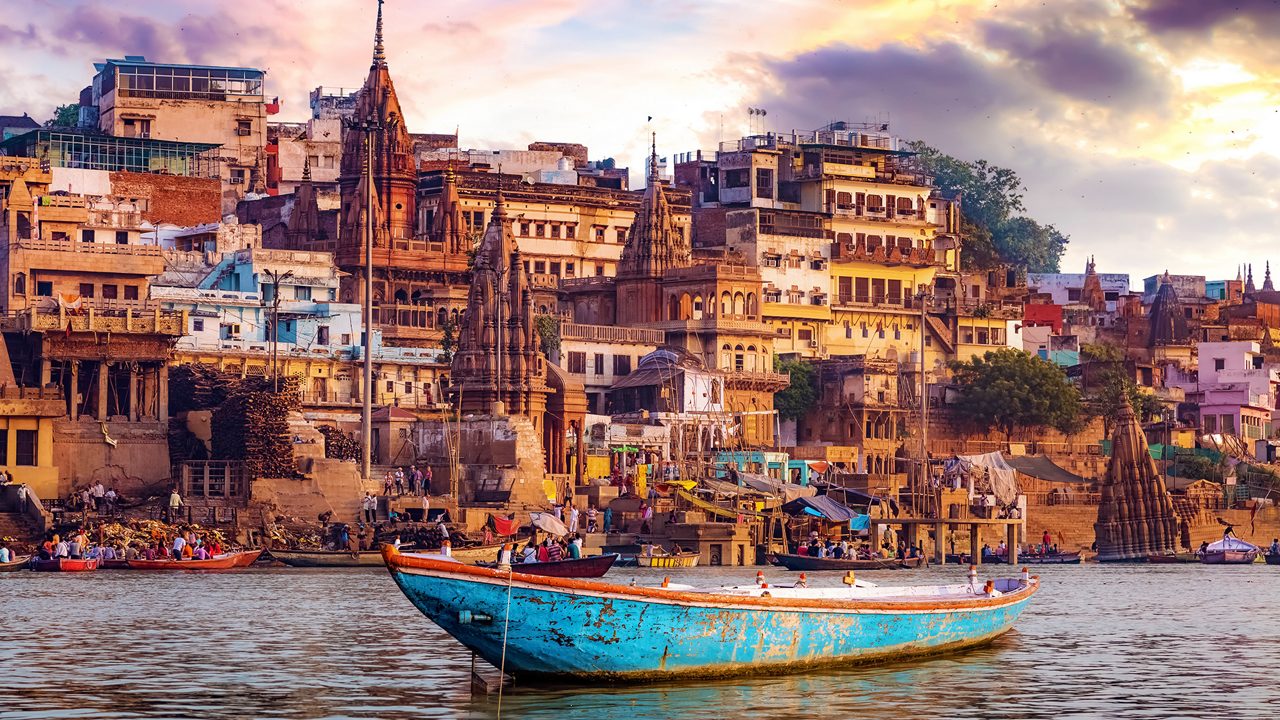
India is one of the most fascinating travel destinations in the world. From the snow-covered Himalayas and the sacred Ganges River to the palaces of Rajasthan, the backwaters of Kerala, the temples of Tamil Nadu, and the tribal regions of Northeast India, the country offers a remarkable mix of culture, nature, history, spirituality, and everyday life.
This India travel guide provides useful information to help you plan your journey with confidence. Whether you are interested in Indian culture, food, festivals, climate, religion, landscapes, visa details, safety tips, or the best time to visit India, this guide will help you understand the country before you travel.
Why Travel to India?
India is a land of diversity. Every region has its own language, food, traditions, festivals, clothing, architecture, and way of life. South India is known for the tropical beauty of Kerala, the temple cities of Tamil Nadu, tea plantations, and peaceful beaches. Rajasthan is famous for royal forts, maharaja palaces, desert landscapes, and colorful cultural festivals.
Central India is ideal for wildlife lovers, while Punjab gives travelers the chance to visit the Golden Temple in Amritsar. Odisha is known for tribal culture and traditional communities, while Assam, Arunachal Pradesh, Nagaland, Sikkim, and Ladakh offer mountains, monasteries, tea gardens, tribal traditions, and less-explored natural beauty.
India is not just one destination. It is a complete travel experience filled with spirituality, history, nature, food, art, festivals, and unforgettable human connections.
Population and People of India
India is one of the most populated countries in the world and is home to a large variety of communities, religions, ethnic groups, and languages. The country has modern cities, ancient towns, traditional villages, mountain settlements, coastal regions, desert communities, and tribal areas.
Adivasi communities, also known as indigenous people, live in different parts of India, especially in Odisha, Chhattisgarh, Madhya Pradesh, Jharkhand, the Andaman Islands, and parts of Northeast India. Many of these communities still preserve their old customs, rituals, traditional clothing, and native languages.
Ladakh and Sikkim have a unique cultural identity. Ladakh has a strong Tibetan Buddhist influence, while Sikkim is home to Nepali, Lepcha, Bhutia, and Tibetan communities. Northeast India, including Assam, Arunachal Pradesh, and Nagaland, is known for tribal culture, tea gardens, mountain landscapes, and distinctive traditions.
Indian Culture and Etiquette
Indian culture is deeply connected with respect, family values, hospitality, religion, and tradition. One of the most common greetings in India is “Namaste,” where people join their palms together as a respectful way to say hello.
Travelers should understand that communication in India can sometimes be indirect. A head movement may mean agreement, understanding, or acknowledgment. Indians may also avoid saying “no” directly, so some answers can sound polite rather than final.
Clothing in India
Modest clothing is recommended while traveling in India, especially outside modern cities and tourist beaches. Women should wear clothing that covers the shoulders and knees. Men should also avoid shorts in temples, rural areas, and formal public places.
When visiting temples and holy places, dress codes are often followed strictly. Shoes usually need to be removed before entering temples. Some inner temple areas may not be open to non-Hindus.
Eating Habits in India
In many traditional Indian restaurants and homes, people eat with their hands. It is customary to wash hands before and after meals. Food is generally eaten with the right hand, as the left hand is considered inappropriate for eating or giving items to others.
Food and Drink in India
Indian food is full of flavor, spices, colors, and regional variety. A typical Indian meal includes rice or bread served with curry, vegetables, lentils, yogurt, pickles, and chutneys. “Curry” refers to a wide range of dishes prepared with spice mixtures called masala.
Dal, made from lentils, is one of the most important sources of protein in Indian cuisine. Vegetarian food is widely available across the country, making India one of the best destinations for vegetarian travelers.
Popular Indian Snacks
- Samosa – fried pastry filled with potato and spices
- Pakora – fried vegetable fritters
- Cutlets – spiced vegetable patties
- Puffed rice, peanuts, and dried chickpeas
Drinks in India
Chai, or Indian tea, is one of the most popular drinks in India and is usually served with milk and sugar. Fresh lime soda is another refreshing option and can be ordered sweet, salty, or plain. Lassi is a yogurt-based drink, but travelers should order it only from clean and trusted restaurants.
Festivals in India
India is known for its colorful festivals. Because the country has many religions, cultures, and regional traditions, festivals are celebrated throughout the year. Some festivals are celebrated privately with family, while others are large public events filled with music, dance, food, colors, lights, and processions.
Major National Holidays in India
- Republic Day – January 26
- Independence Day – August 15
- Mahatma Gandhi Jayanti – October 2
Pongal – Tamil Nadu
Pongal is a harvest festival celebrated in South India, especially in Tamil Nadu. Farmers thank nature for the harvest, decorate cattle, prepare a traditional rice dish called Pongal, and create colorful kolam designs outside their homes.
Desert Festival – Jaisalmer
The Desert Festival in Jaisalmer is a vibrant cultural event held in the Thar Desert. It includes camel races, folk music, traditional dances, turban-tying competitions, and colorful cultural performances.
Holi – Festival of Colors
Holi is one of India’s most joyful festivals. It celebrates spring, friendship, and the victory of good over evil. People throw colored powder, visit family and friends, sing, dance, and enjoy festive sweets.
Teej Festival – Jaipur
Teej is celebrated in Rajasthan, especially in Jaipur. Married women pray for a happy married life, and the festival includes decorated swings, processions, music, dance, elephants, horses, and camels.
Dussehra
Dussehra celebrates the victory of good over evil. It is celebrated across India, with Mysore being one of the most famous places to experience the festival. Processions, religious performances, music, dance, and fireworks are common during this period.
Diwali – Festival of Lights
Diwali is one of the most important Hindu festivals. Homes are decorated with oil lamps called diyas, sweets are shared, fireworks are lit, and families come together to celebrate the victory of light over darkness.
Pushkar Fair
The Pushkar Fair in Rajasthan is one of India’s most famous cultural events. It is known for camel trading, folk performances, camel races, colorful clothing, music, and photography opportunities.
Ladakh Monastery Festivals
Ladakh is famous for Buddhist monastery festivals, where monks perform colorful mask dances in traditional costumes. These festivals are spiritual, artistic, and culturally rich experiences for travelers.
Landscape of India
India has one of the most diverse landscapes in the world. The country can be broadly divided into three major natural regions: the Himalayas, the Northern Plains, and the Southern Peninsula.
The Himalayas
Northern India includes parts of the Himalayas, with high mountain peaks, valleys, monasteries, and remote landscapes. Ladakh, Sikkim, Himachal Pradesh, and Uttarakhand are popular regions for mountain travel, trekking, culture, and spirituality.
The Northern Plains
The Northern Plains are formed by the river systems of the Indus, Ganges, and Brahmaputra. These fertile plains support agriculture and include important cultural and historical cities such as Delhi, Varanasi, Agra, and Kolkata.
The Southern Peninsula
Southern India is known for the Deccan Plateau, Western Ghats, Eastern Ghats, coastal plains, temples, beaches, coffee plantations, tea estates, and tropical landscapes. Kerala, Tamil Nadu, Karnataka, and Goa are among the most visited regions.
Religion and Languages in India
Religion plays a major role in Indian society. Hinduism is the largest religion in the country, followed by Islam, Christianity, Sikhism, Buddhism, Jainism, and other faiths. India is also the birthplace of Buddhism and Jainism.
Temples, mosques, churches, monasteries, gurudwaras, and pilgrimage sites are found across the country. Travelers can experience spiritual traditions in places such as Varanasi, Bodh Gaya, Amritsar, Rishikesh, Madurai, Pushkar, and Ladakh.
India has 22 officially recognized languages. Hindi is widely spoken, and English is commonly used in tourism, business, education, and government. Each region also has its own local language or dialect, making India linguistically diverse.
Best Time to Visit India
India can be visited throughout the year, but the best travel season depends on the region. In general, October to March is considered the best time to visit most parts of India because the weather is cooler, drier, and more comfortable for sightseeing.
Best Time to Visit North India
For Rajasthan, Delhi, Agra, and Varanasi, the best time to visit is from November to mid-April. May and June can be extremely hot, especially in Delhi and Rajasthan. July and August may bring some rain, but travel is still possible in many areas.
Best Time to Visit South India
South India has a tropical climate. Kerala and Tamil Nadu remain warm throughout the year. The best time to visit South India is from mid-October to April. The monsoon season usually lasts from June to October.
Best Time to Visit Sikkim and Ladakh
Sikkim is best visited in spring, from March to May, and autumn, from October to mid-December. Ladakh is best visited from late June to September, when roads are open and the weather is suitable for travel.
Best Time to Visit Goa
Goa is best visited from mid-October to the end of March. This is the ideal time for beaches, nightlife, sightseeing, and relaxation. The monsoon season from June to October brings heavy rain, and many beachside restaurants and accommodations may remain closed.
Practical Travel Information for India
Communication and Internet
India has a strong mobile network in most cities and towns. Remote mountain areas such as Ladakh may have limited coverage. Travelers can buy a local prepaid SIM card for internet and calling. Wi-Fi is available in many hotels, cafes, and restaurants.
Electricity
India uses 220 volts. Power cuts and voltage fluctuations can happen in some areas, so carrying a universal adapter, travel plug, and flashlight is recommended.
Healthcare
India has a large healthcare sector with hospitals, medical infrastructure, telemedicine, and medical tourism services. Travelers should carry basic medicines, follow food hygiene precautions, and consult a doctor before traveling if vaccinations or special health advice are required.
Luggage and Clothing
Light, practical, and layered clothing is recommended. For North India in winter, especially in December and January, warm clothes are useful. For religious places, modest clothing is important. Comfortable shoes, flip-flops, a universal adapter, toiletries, mosquito repellent, and a flashlight are useful items to pack.
Money in India
The currency of India is the Indian Rupee. ATMs are available in cities and towns, but travelers should keep some cash for smaller places, markets, tips, and emergency situations. Credit cards are accepted in many hotels, restaurants, and larger shops.
Opening Hours
Shops are generally open from morning to evening, although lunch breaks may vary. Museums are usually open during the day and may remain closed on Monday or Tuesday. Banks often operate with shorter working hours compared to shops.
Photography
India is a paradise for photography because of its temples, markets, festivals, landscapes, and colorful people. Always ask permission before photographing people. Photography of military areas, airports, checkpoints, and certain national parks may be restricted.
Safety in India
India is generally safe for travelers, but normal precautions are important. Keep valuables secure, avoid displaying expensive jewelry, lock your luggage during train journeys, and stay alert in crowded areas.
Travel Documents and Visa
Travelers should carry a passport valid for at least six months after the return date. A visa, e-visa, or tourist card is required for many international travelers. It is advisable to apply for the visa well before departure. Special permits may be required for restricted regions such as Arunachal Pradesh and Nagaland.
Tipping in India
Tipping is common in India and is often appreciated by hotel staff, drivers, guides, porters, and restaurant workers. In restaurants, a tip of five to ten percent is usually acceptable unless a service charge is already included.
Tour guides and drivers may also expect tips if they have provided good service. Travelers should keep small cash notes for tipping during the trip.
Final Travel Tips for India
India is a destination that rewards open-minded travelers. The country can feel intense, colorful, spiritual, busy, peaceful, and inspiring all at once. With the right planning, respectful clothing, basic cultural understanding, and practical preparation, your journey through India can become one of the most memorable travel experiences of your life.
Whether you want to explore royal Rajasthan, spiritual Varanasi, tropical Kerala, Buddhist Ladakh, beachside Goa, or the tribal cultures of Northeast India, India offers a journey full of discovery, diversity, and unforgettable moments.
FAQs About Traveling to India
What is the best time to visit India?
The best time to visit most parts of India is from October to March, when the weather is cooler and more comfortable for sightseeing.
Is India good for cultural travel?
Yes, India is one of the best countries for cultural travel. It offers festivals, temples, monuments, traditional villages, local food, spiritual sites, and regional customs.
What should tourists wear in India?
Tourists should wear modest and comfortable clothing. Shoulders and knees should be covered when visiting temples, rural areas, and religious places.
Is vegetarian food available in India?
Yes, vegetarian food is widely available in India. Many Indian dishes are naturally vegetarian and include lentils, rice, vegetables, bread, and spices.
Do I need a visa to travel to India?
Most international travelers need a visa or e-visa to visit India. It is best to apply in advance before your travel date.